

Beyond The Scoreboard: How Women Athletes Are Redefining Sports
The energy on that day was electric, the kind you can feel in your chest before you can describe it in words. What was happening had never happened before.
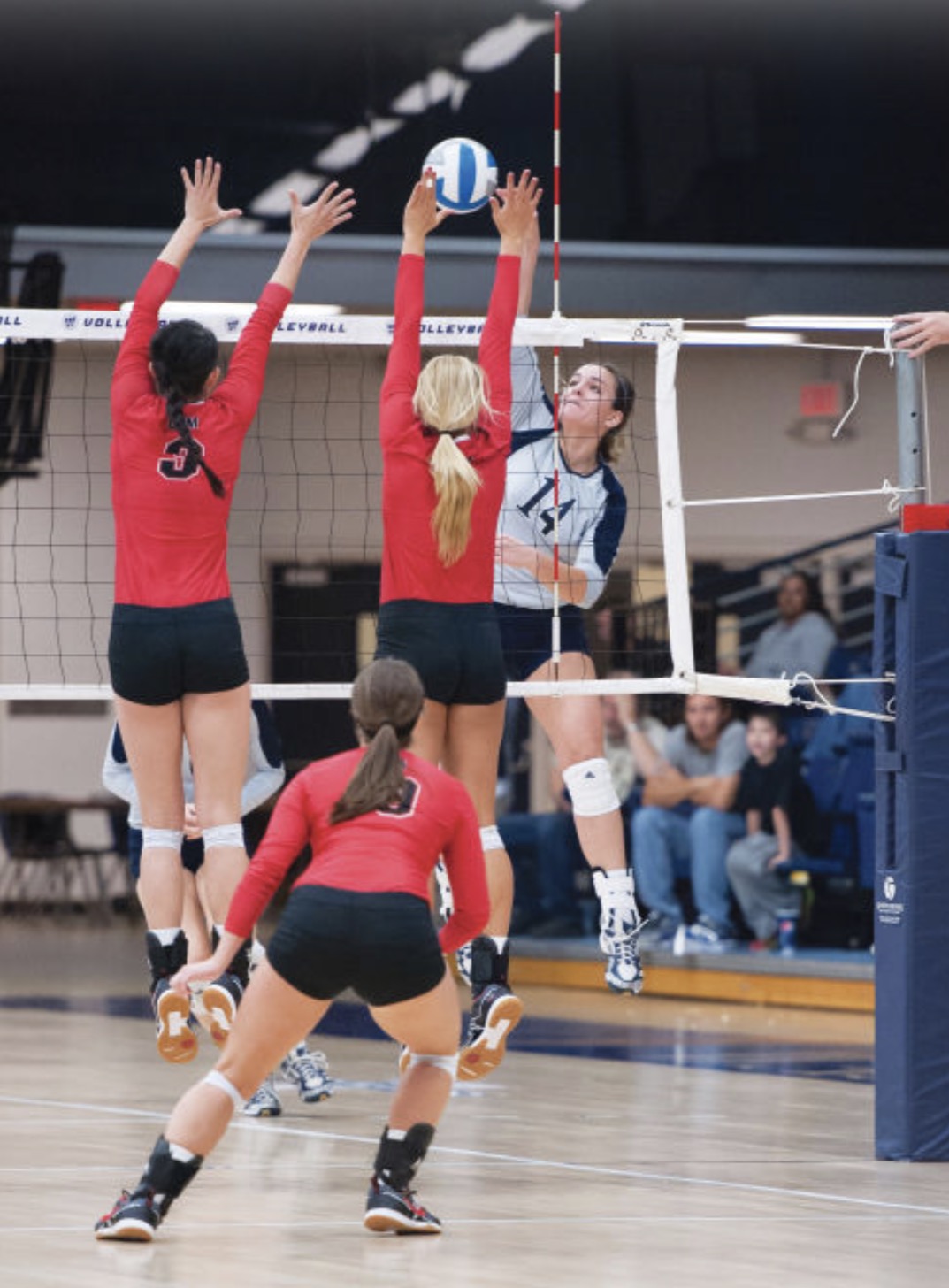
On August 30, 2023, history was made. More than 92,000 fans packed Memorial Stadium in Lincoln, Nebraska. Nebraska vs. Omaha, under the lights, and in a football stadium. But this wasn’t football—it was a Division I women’s volleyball game. This match shattered the record for attendance at any women’s sporting event, marking a defining moment in sports history and a powerful statement about the momentum behind women’s athletics.
Women’s sports are no longer a moment. They’re a movement.
The Growth and Impact of Women’s Sports
Each February, National Girls and Women in Sports Day recognizes the power, progress, and importance of women’s athletics, but the impact stretches further than just a single day.
According to a July 2021 issue of The Physiologist Magazine article written by Christine Yu at the American Physiological Society, participation by girls and women in sports has surged over the last four decades. Yu also stated there are now more than 3.4 million opportunities for girls to compete in high school sports, and NCAA participation among women has increased nearly 300% since the early 1980s. The article also states that on the global stage, women now make up nearly half of Olympic competitors, the highest percentage in modern history. In April of 2025, SportsPro reported that the Los Angeles 2028 games are on track to have more female than male competitors.
The rise is absolutely measurable, but the value goes deeper than just numbers.
When girls play sports, they build confidence, resilience, discipline, and leadership skills. They learn how to collaborate, compete, recover from setbacks, and push toward long-term goals. Those traits don’t stay on the field. They show up in communities, companies, and careers.
Athletes Who Never Left the Game
At MMTH, we see that impact every day because many of our leaders and team members are former athletes themselves.
We talked with three women on our team, Marissa Cassidy, Lexi Watts, and Corrinne McGreevy, who competed from childhood through the collegiate level and now bring that same competitive drive and athlete-first perspective into their work. Between them are multiple All-American honors, conference leadership stats, and championship runs. Today, two of them work at MMTH as Directors of Business Development, and another as a Senior Director of MMTH Sports Academy (MSA). No matter the work they do, they approach every project with an athlete’s mindset.
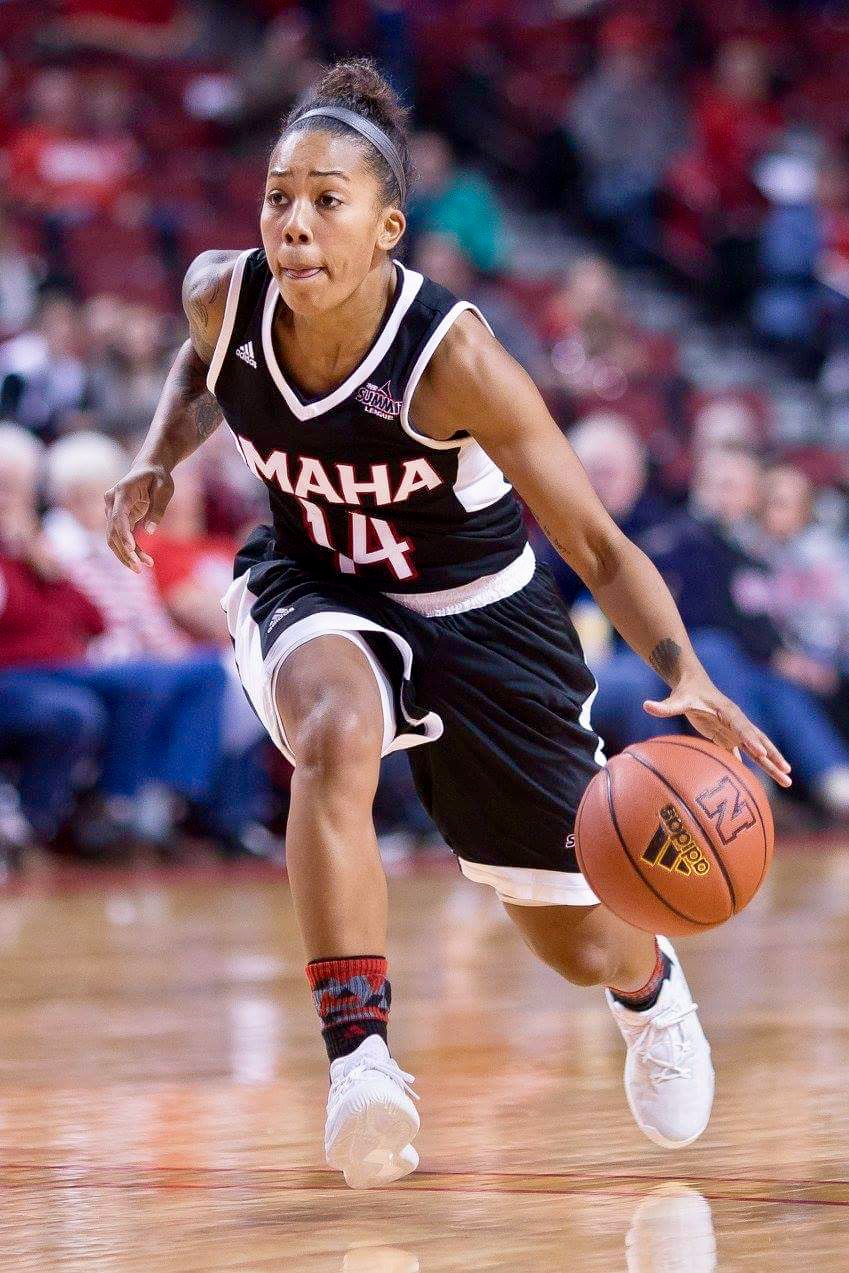
Marissa Cassidy focused on basketball early and never looked back. She competed at the Division I level for Nebraska Omaha and Division II level at Emporia State, later leading the Summit League in shooting and coaching at Emporia. As the oldest sibling in her family, she understood early what it meant to lead by example. This is a trait that still shapes how she works with clients and teams today.
She sees a direct line between athletics and workplace collaboration. “When you work in sports, you always have a common goal, and here at MMTH it is to do something big—to win. Not to use the buzzword of being a team player, but [sports] teach you how to collaborate in environments that might not be what you’re used to.”
Marissa emphasized that sports have a unique ability to unite people from all walks of life and teach them how to work together, even when they think, lead, and communicate differently. They’re working toward one shared outcome, just like she experiences working alongside her co-worker, Lexi.
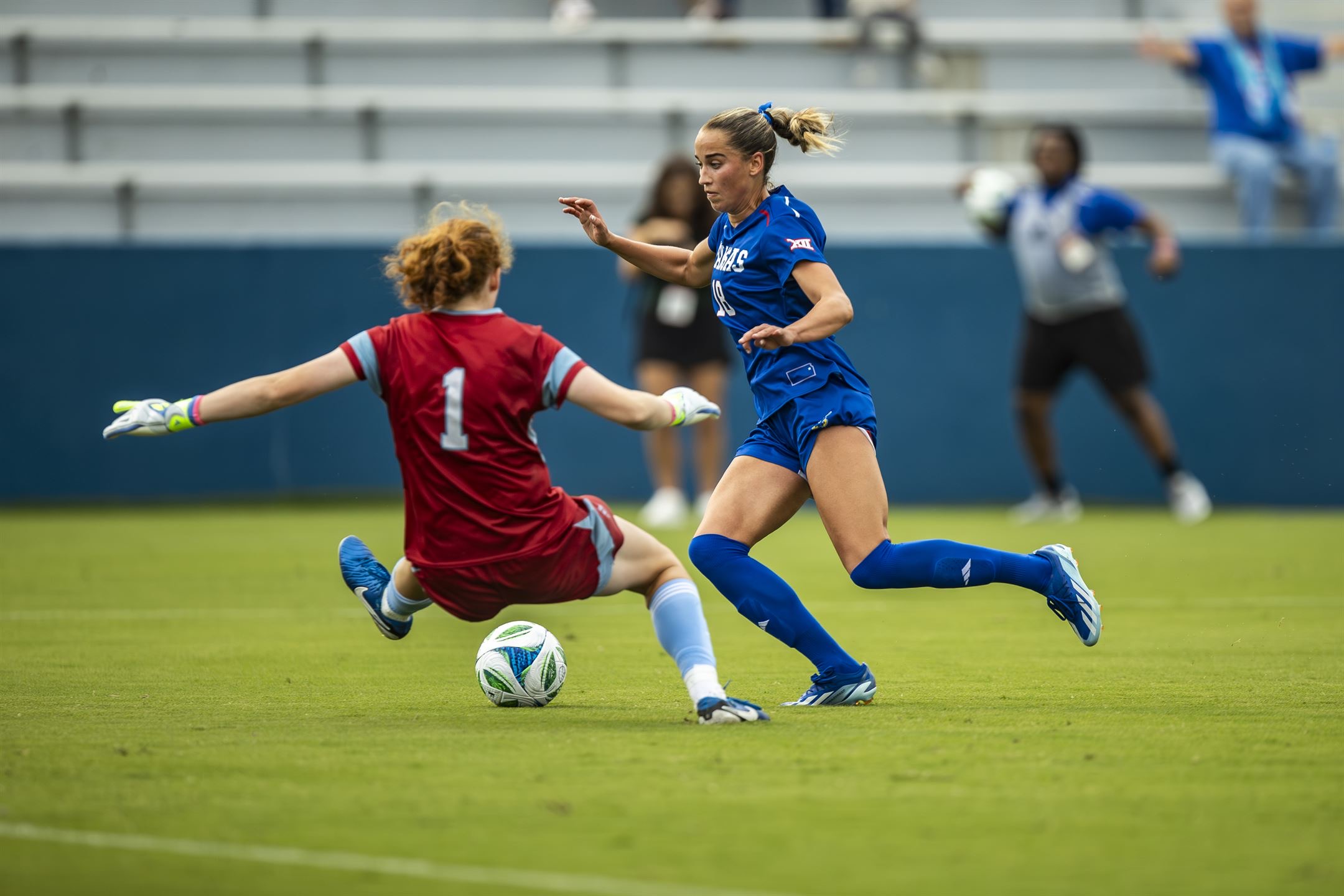
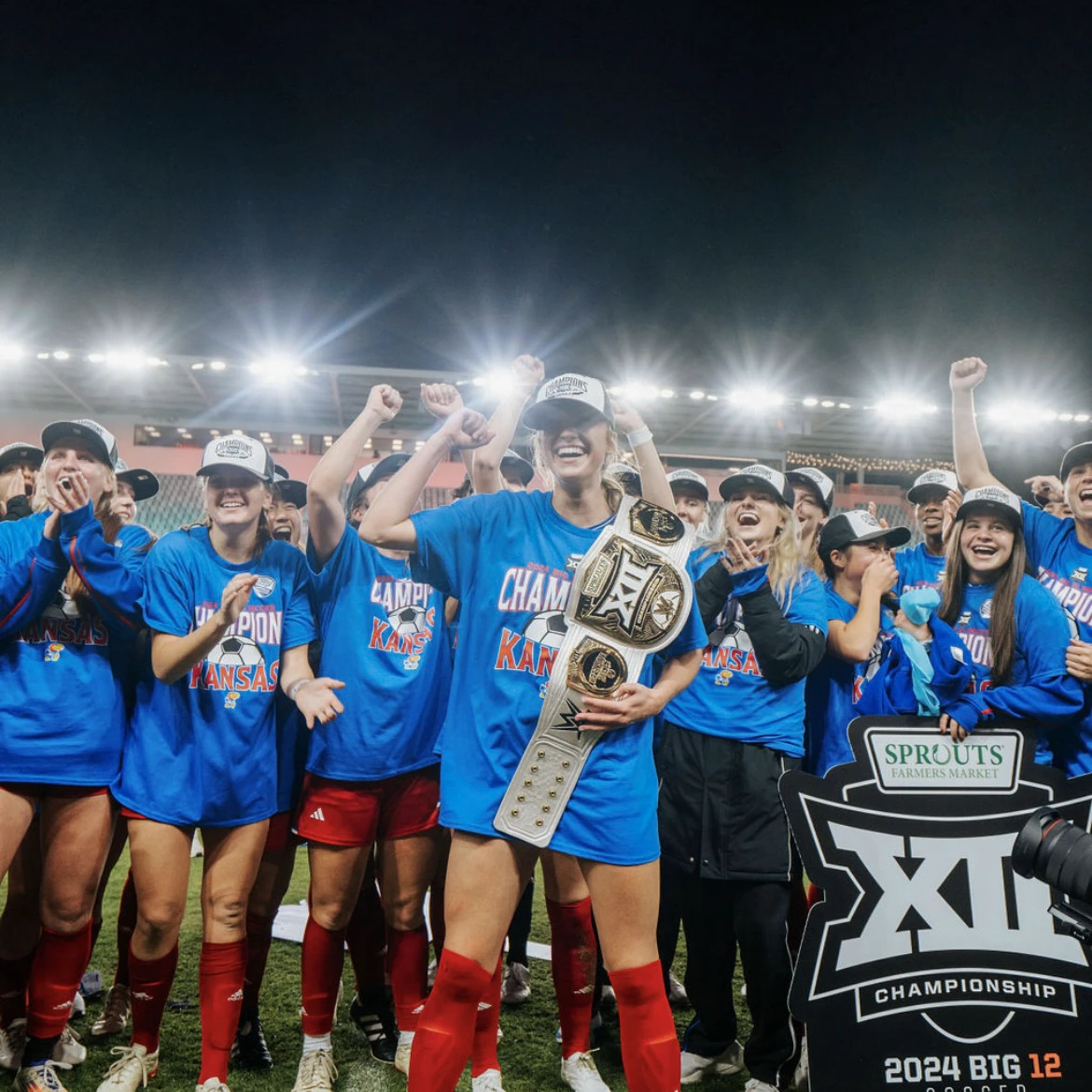
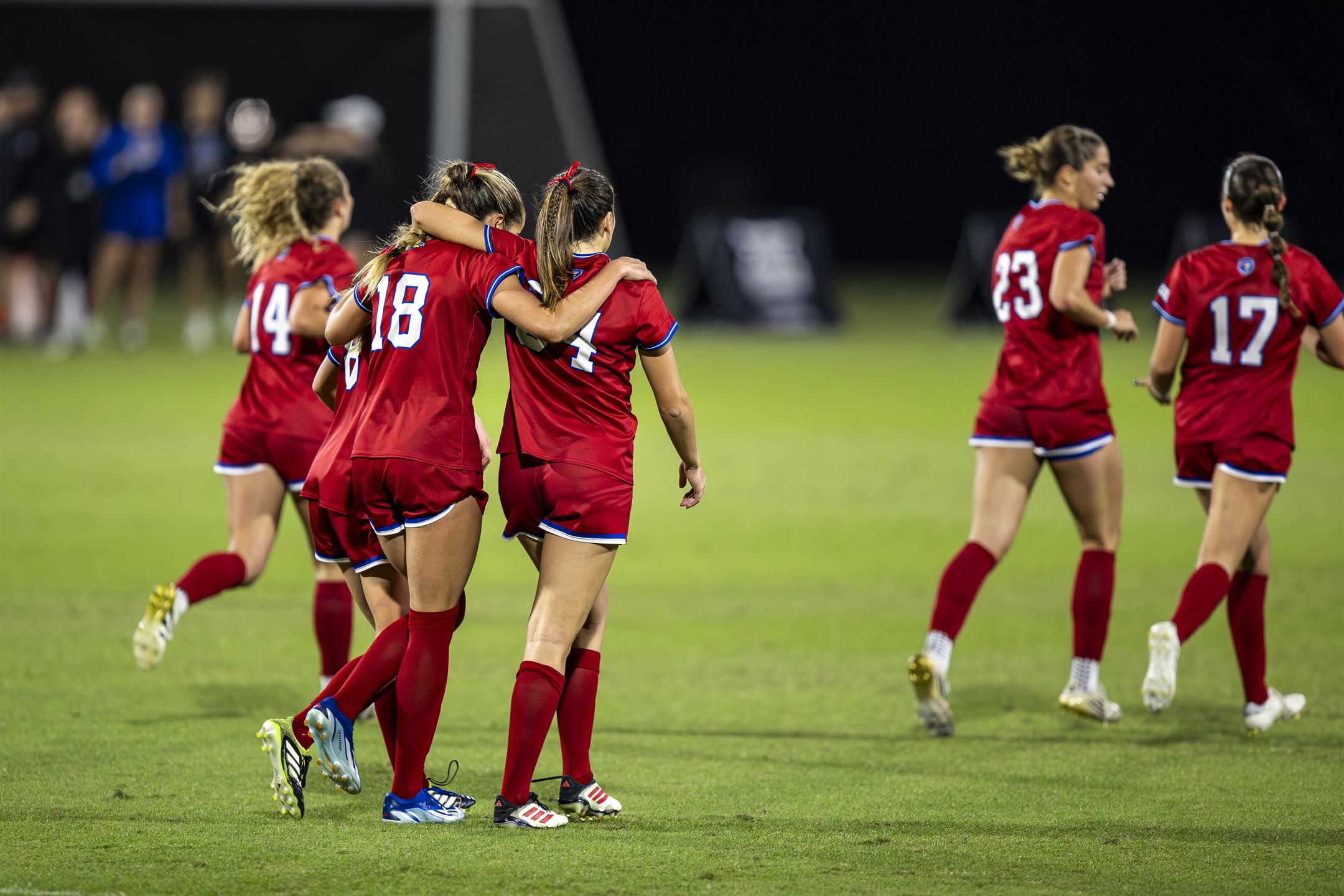
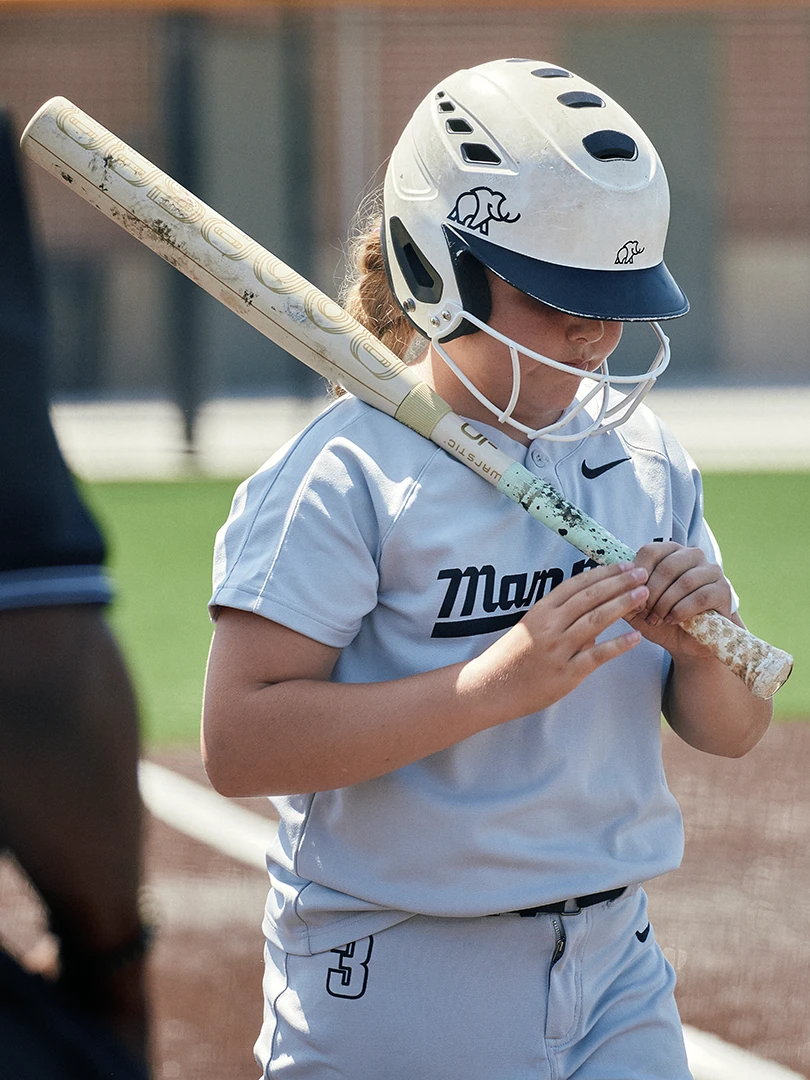
That spirit of teamwork is something Lexi knows well. Lexi Watts, a recent KU soccer graduate and All-American, helped elevate her program to a Big 12 championship and a Sweet 16 run. She competed in the evolving era of NIL and modern recruiting, giving her firsthand insight into how quickly the sports landscape changes. That perspective shapes how she views facility development today, as a critical factor in athlete safety, performance, and recruitment. Having experienced great environments firsthand, she understands what athletes notice, value, and need.
“You want to go to the schools that have the best facilities. Being able to be part of that process is really awesome. Just continuing to do projects that prioritize safety, quality, and longevity brings me excitement because I get to work with athletes.”
Corrinne McGreevy’s path started with a volleyball and the side of her childhood home. What began as backyard fun became a collegiate journey across Kansas—KU, Pittsburgh State, and Washburn—earning an All-American honor along the way. Today, she is a head coach for Hayden volleyball and leads operations at MSA, managing scheduling, tournaments, team logistics, and athlete experience with the same discipline she developed as a player.
For her, the culture at MMTH feels familiar in the best way. “It’s awesome being around such like-minded people that want to work hard.”
Athlete Experience Makes Better Sports Specialists
Sports don’t just build athletes, they also build leaders. Research from UN Women published on July 17, 2024, found that 80% of female Fortune 500 CEOs played sports growing up, underscoring the connection between athletic participation and executive leadership.
That leadership pipeline is part of why MMTH hires athletes and sports-minded professionals. The qualities that make someone successful in sport, like preparation, accountability, adaptability, and teamwork, are the same qualities that drive successful outcomes for clients. When we design and build sports environments, we’re not guessing what matters. We’ve lived it.
We understand how facilities influence performance. How surfaces affect safety. How scheduling, access, and layout shape athlete experience. We know what it feels like to rely on a field, a court, or a training space, because we’ve been the ones relying on it.
Lexi adds that her recent playing experience helps her stay closely aligned with athlete needs in a changing sports world:
“Sports have evolved so much and will continue to evolve with NIL and everything. I’ve been in that place, I know what it’s like. It’s nice to know I can stay in the loop and make sure people are supported and getting what they want.”
Access Still Matters
At the same time, we realize that access remains a challenge. The Women’s Sports Foundation found that girls still have 1.3 million fewer high school sports opportunities than boys. Limited facilities, program availability, and cost barriers continue to restrict participation in many communities. Expanding access to quality sports environments is not just a construction goal; it’s an equity issue.
That’s why supporting women’s sports, all the way from youth programs to elite competition, remains essential to us. Growth is happening, visibility is rising, and opportunity is expanding. But continued investment in facilities, programming, and leadership pathways will determine how far the movement goes.
Advice for the Next Generation
When asked what advice they would give to the next generation of girls in sports, the message from all three women was consistent: show up, work hard, trust the process, enjoy your teammates, and don’t quit on a bad day.
Marissa encourages young athletes to commit.
“Lean into the sport that you play. Give your all. Show up every single day excited and ready to go all out. You never know what’s going to come from your athletic career — and you never know who’s looking up to you.”
Lexi emphasizes balance and enjoyment.
“Make some friends. Have fun. Don’t get burnt out. If you have a bad day or a bad practice, don’t quit because of one bad day. It’ll be worth it in the end.”
Corrinne keeps it grounded in discipline and patience.
“Work really hard and great things will happen. Trust the process. Go where you’re wanted and stick to the plan.”
Built by People Who’ve Been in the Game
At MMTH, sport isn’t a niche, it’s our foundation. We are sports specialists because we are former athletes, coaches, and competitors who now apply that same commitment to every client and every project. We design and build with performance in mind, teamwork at the center, and athletes as the priority.
Because the best sports environments are built by people who understand what it means to step onto the field.