

When It's Time to Replace a Synthetic Turf Field
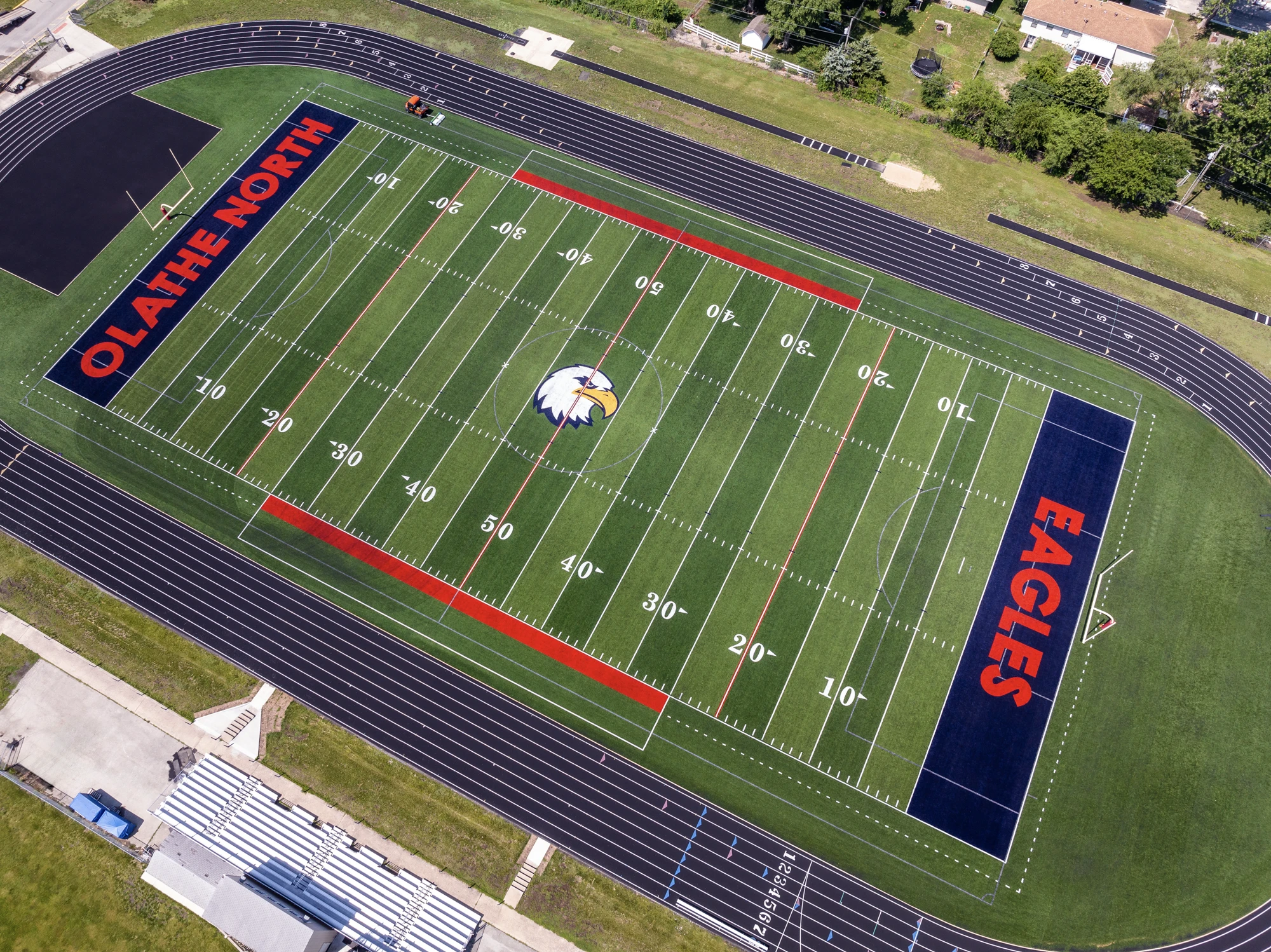
by MMTH
What Schools and Cities Should Know Before Starting a Turf Replacement Project
At first it is subtle.
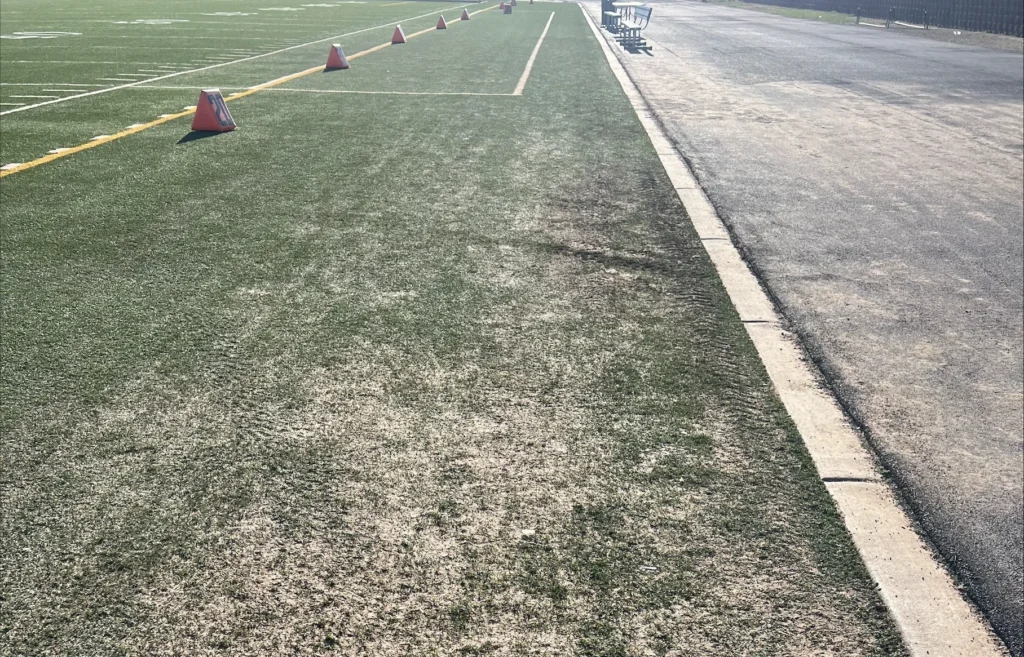
A seam starts to separate near midfield. The infill seems to migrate more than it used to. The fibers that once stood tall now lay flat in high-traffic areas.
Most turf fields do not fail overnight. They wear down gradually after years of practices, games, PE classes, and community events. Eventually every facility reaches the same point. The field that once performed like new begins to lose the safety and playability it was designed to deliver.
When that moment arrives, the conversation shifts from maintenance to replacement.
For many schools and municipalities, replacing a synthetic turf field is the largest athletic facility investment they will make for the next decade. Understanding how the process works helps programs plan ahead, protect their budget, and ultimately build a better environment for athletes.
How Long Do Synthetic Turf Fields Last?
A well-maintained synthetic turf field typically performs for 8 to 12 years before replacement becomes necessary.
Usage plays a major role in that timeline. A high school stadium used for football, soccer, band practice, PE classes, and community recreation may accumulate thousands of hours of use each year. Over time, the surface begins to show signs of fatigue.
Field owners often notice several indicators as turf approaches the end of its life cycle.
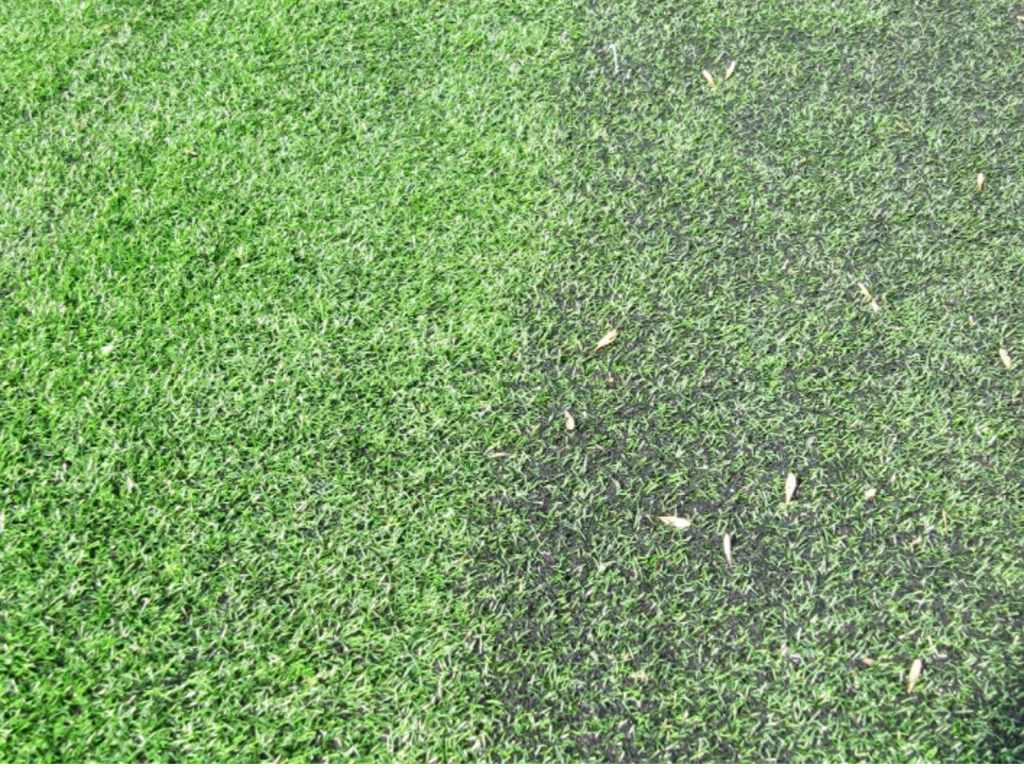
Fibers begin to split and flatten, reducing traction. Infill gradually shifts or compacts, which can increase surface hardness. Seams and inlaid graphics experience stress after years of use. None of these changes happen all at once, but together they signal that the system is nearing the end of its performance window.
At that point, a replacement project becomes the most effective way to restore the field.
What Actually Happens During a Turf Replacement?
Many people assume replacing a turf field means rebuilding the entire facility. In reality, most projects are more straightforward.
The stone base and drainage system underneath the field can often remain in place. The work focuses primarily on removing the worn playing surface and installing a new turf system.
The process typically begins with a professional evaluation of the existing field. Contractors inspect seams, infill levels, drainage, and surface hardness to confirm whether the field should be repaired, renovated, or replaced.
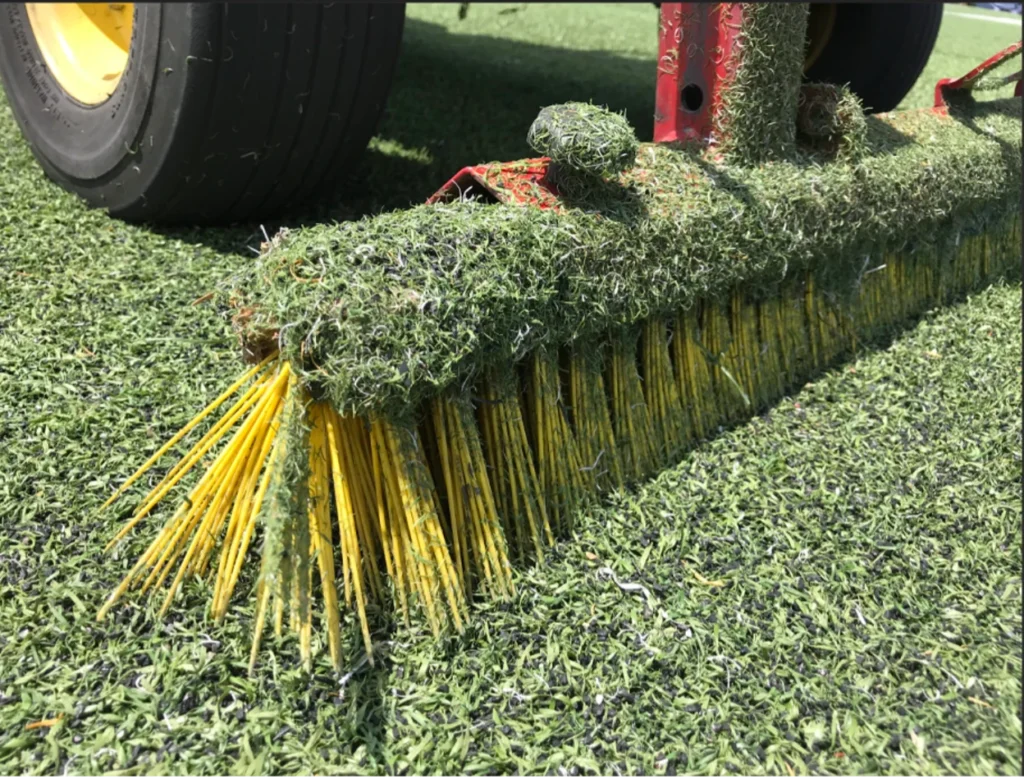
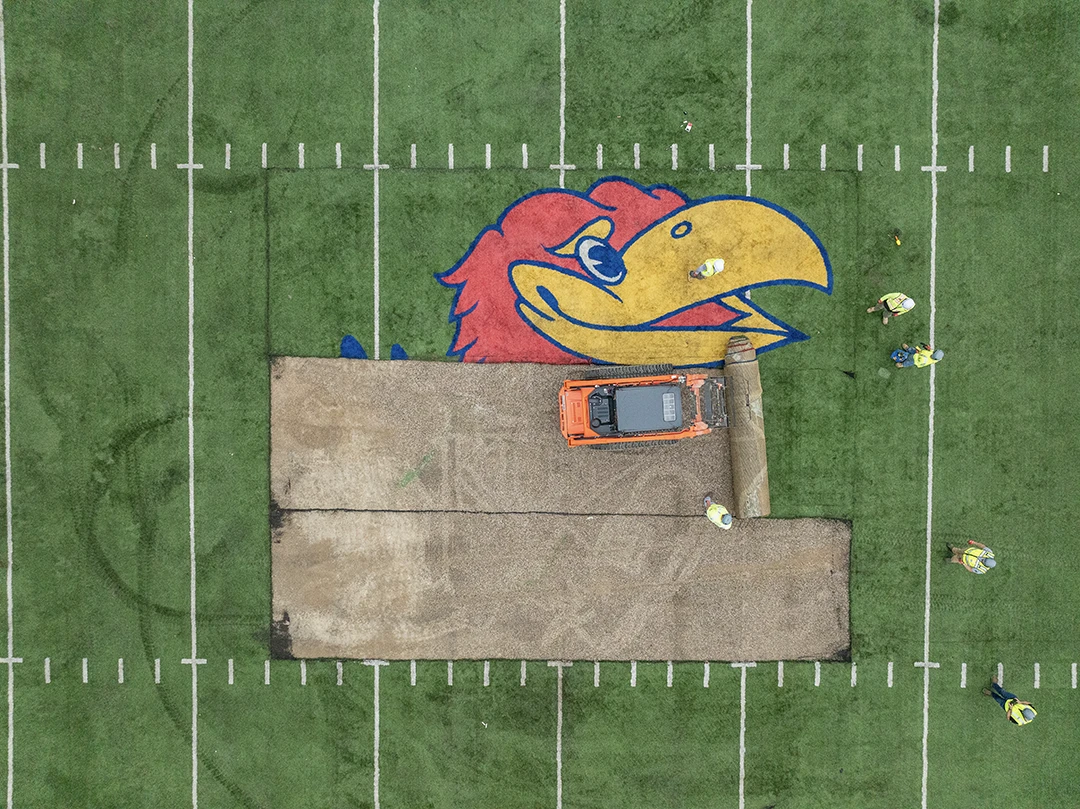
If replacement is the right path, the construction phase begins with removing the existing turf carpet and infill. Crews roll the turf into large sections and remove it from the site so the underlying base can be inspected.
Once exposed, the base layer is evaluated for grading, drainage performance, and structural integrity. Minor adjustments or repairs are often made at this stage to ensure the next field performs properly.
After the base is prepared, installation of the new turf system begins.
Why Most Turf Fields Are Replaced in the Summer
Across the country, most football and multi-sport turf fields are replaced during the summer months.
The timing simply works best for athletic schedules. Spring sports have ended, fall football has not yet begun, and construction crews have the longest window to complete the work without interrupting competition.
Summer also allows more flexibility for logistics such as turf manufacturing, shipping, and installation.
That said, modern scheduling and turf manufacturing have made it possible for some projects to take place during school breaks or shorter construction windows when necessary.
How Technology is Changing Turf Replacement
One of the biggest changes in synthetic turf construction over the past decade is how fields are manufactured and installed.
Traditionally, game lines, numbers, and logos are installed using a cut-and-inlay process. Sections of turf are cut out and stitched together to create each graphic element. While effective, this approach introduces hundreds of seams across a typical football field.
New manufacturing technologies are reducing that complexity.
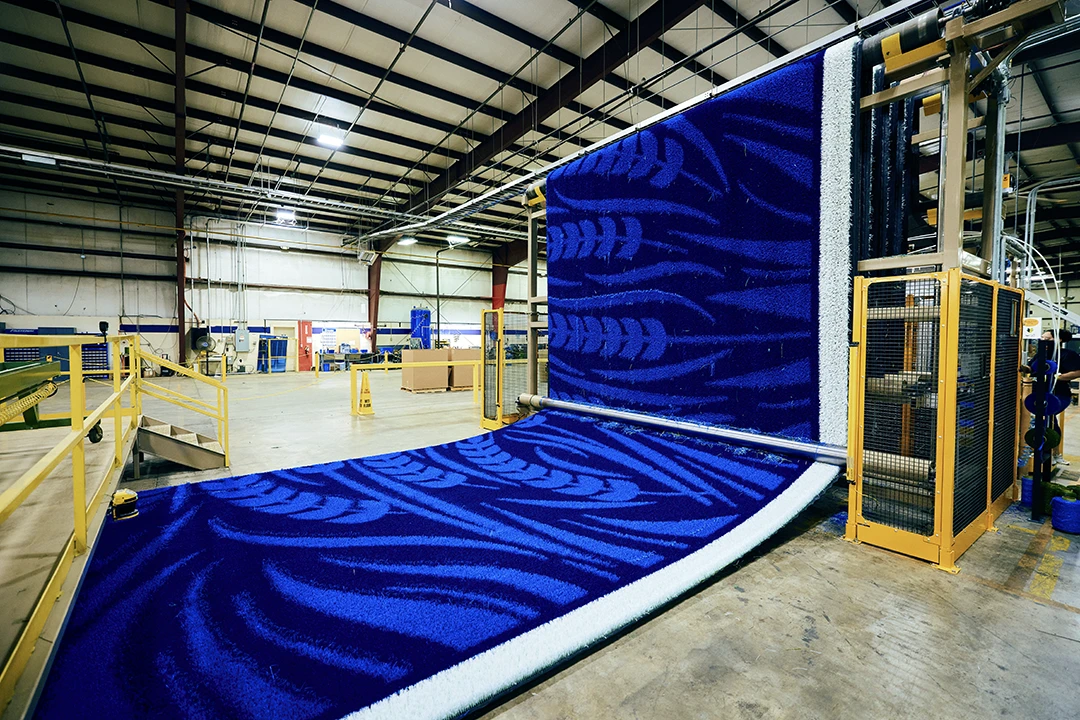
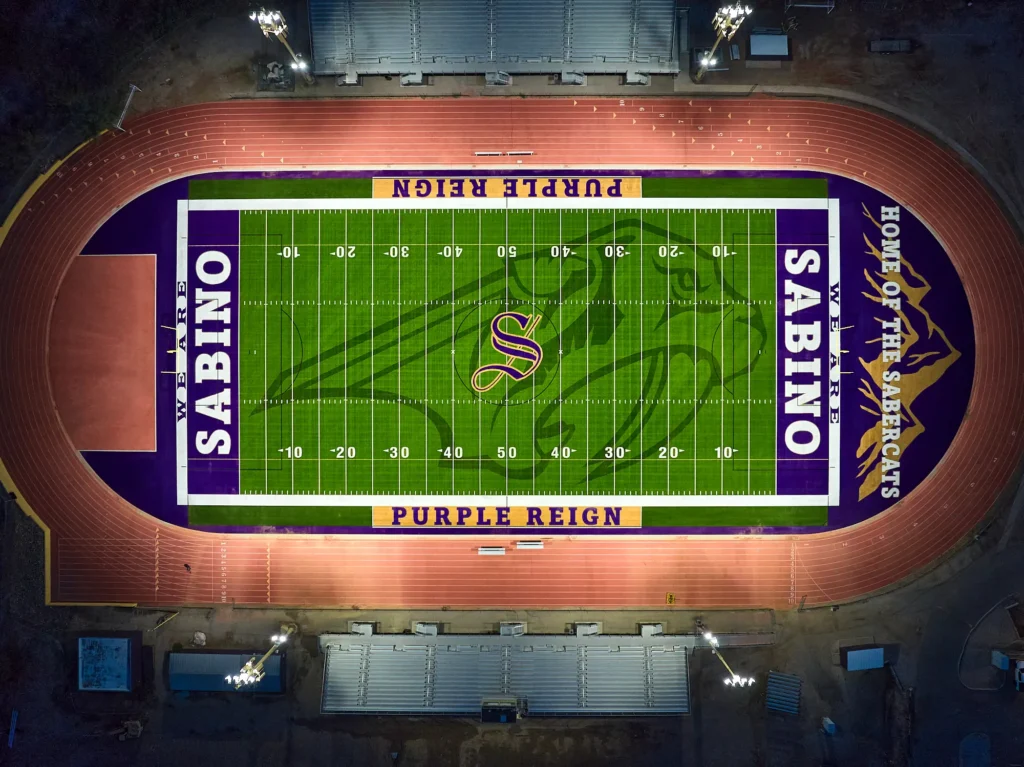
Shaw Sports Turf’s GAME ON™ system takes a different approach by tufting graphics directly into the turf during production. Instead of cutting logos and lines into the field during installation, those elements are built into the carpet before it ever arrives on site.
For field owners, that change produces several meaningful benefits.
First, installation timelines are significantly shorter. A traditional turf installation might take more than a month, while GAME ON systems can often be installed in roughly one to two weeks.
Second, the field contains far fewer seams. Fewer seams reduce potential stress points and help maintain long-term field integrity.
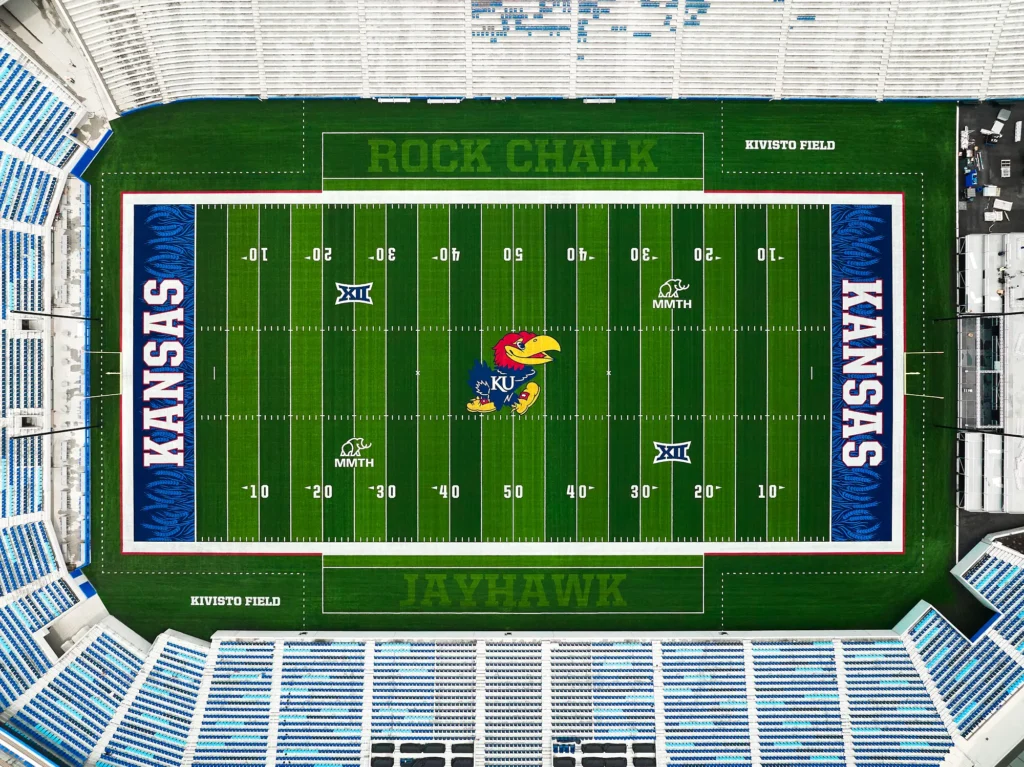
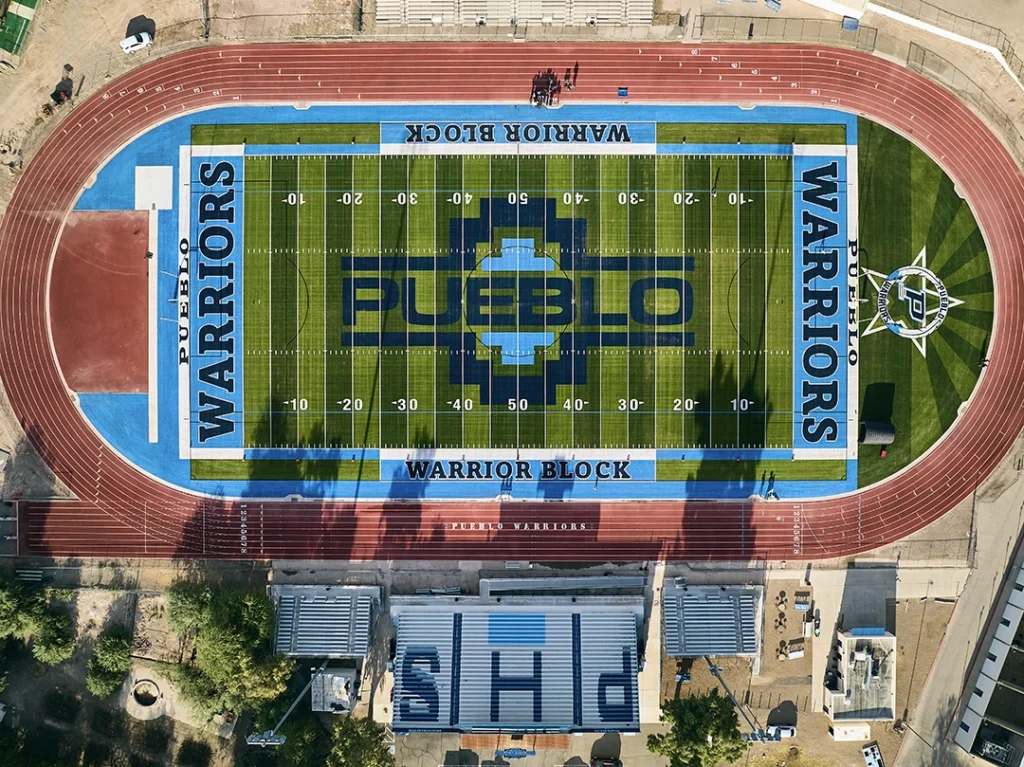
Finally, the design possibilities expand. Logos, numbers, watermarks, and other graphics can be integrated directly into the turf with remarkable precision. For schools that want their facility to reflect program identity, this technology opens new creative opportunities.
What to Evaluate During Replacement
One insight many facility directors discover during turf replacement is that several other components of their facility may be reaching the same point in their lifecycle.
Running tracks, field events areas, and stadium infrastructure often age alongside the turf surface. Many track systems, for example, require resurfacing roughly every decade, which can coincide with the turf replacement timeline.
Because construction crews and equipment are already mobilized, many organizations use this moment to evaluate related upgrades such as:
- Track resurfacing
- Field event improvements
- Drainage enhancements
- New field markings or branding
- Stadium technology upgrades
Addressing multiple elements at once can reduce long-term disruption and create a more cohesive facility improvement.
Planning Ahead Makes Turf Replacement Easier
The most successful turf replacement projects usually begin planning 12 to 18 months before construction.
Early planning gives schools time to secure funding, align with budget cycles, and evaluate system options carefully. It also allows design teams to develop field graphics and branding elements that reflect the identity of the program.
Waiting until a field has clearly failed often forces programs into compressed timelines and fewer scheduling options.
A professional field evaluation can provide clarity early in the process. Understanding how much life remains in the existing surface allows facility leaders to plan replacement on their own timeline rather than reacting to an emergency.
Building the Next Decade of Performance
Synthetic turf fields are designed to handle extraordinary use. Over the course of a decade, a single football field may host thousands of practices, games, and community events.
Eventually every surface reaches the point where replacement becomes the best path forward.
When that moment comes, thoughtful planning and modern construction methods can transform what might seem like a disruptive project into an opportunity to elevate the entire facility.
For athletes, coaches, and communities, the goal is simple. Build a field that performs on opening day and continues performing for the next ten seasons.
If your field is approaching the end of its lifespan, the next step is understanding exactly where it stands. Our team will evaluate your surface, identify risks, and help you plan the right timeline for replacement.