

Designing College Stadiums With Purpose
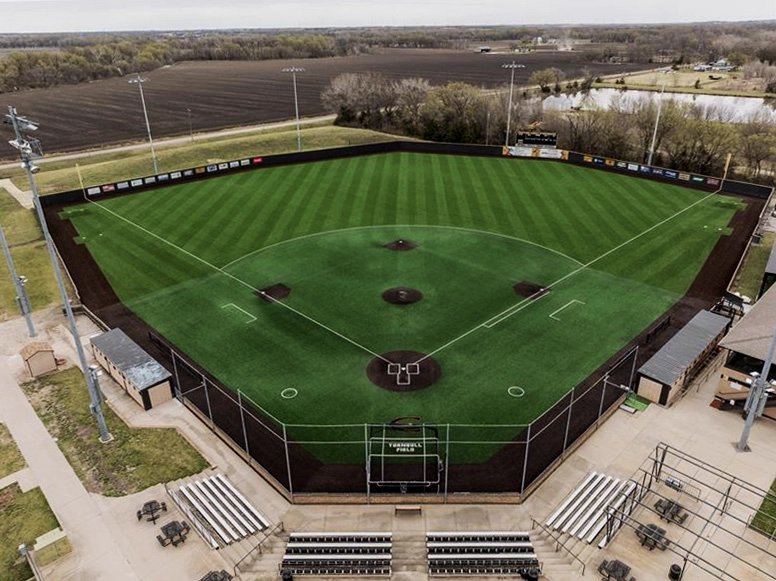
Designing a college sports stadium is one of the most complex challenges in architecture. It combines specialized competition spaces and intricate seating design, security facilities, retail components, and food and beverage while balancing the back-of-house infrastructure into one building. Sports designers have to manage very specific needs while also creating a place for passion and community.
As the Head of Design and Architecture at MMTH, I know I am lucky. I get to design sports stadiums that affect so many people in such profound ways. Think of all the different fans of different ages and backgrounds coming together to watch their favorite team.
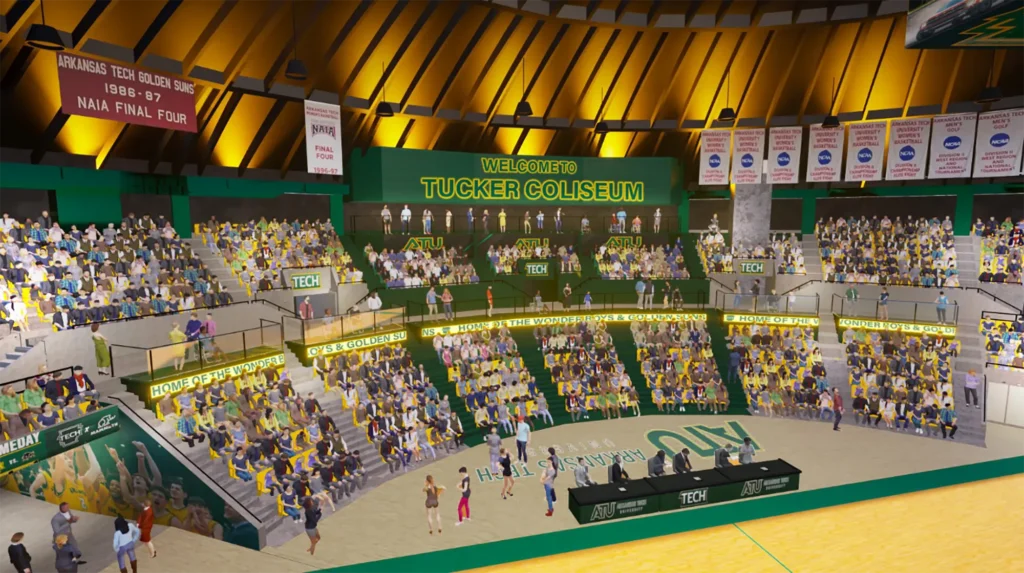
This makes what we do in sports design both incredibly rewarding and a profound responsibility. Because we’re trying to answer a big question: how do we design college facilities that make the most of the athlete and fan experience while also serving the needs of the college community as a whole?
At MMTH, we design every field and facility by putting the athletes first. Every aspect of our design supports performance, recovery, and the challenges a student-athlete faces throughout their day. From state-of-the-art weight rooms and hydrotherapy to media centers, academic supports spaces, and locker rooms, every detail creates the best possible environment for an athlete to train and compete at the highest level.
With changes in NIL, there’s an arms race among schools to attract the best talent. Modern facilities are one of the biggest selling points that give your athletics program an edge. For college recruitment and retention, top-tier facilities are non-negotiable, but budgets are never limitless. Sports designers are not solely focused on developing new amenities. We transform existing spaces to meet the needs of the modern student-athlete.
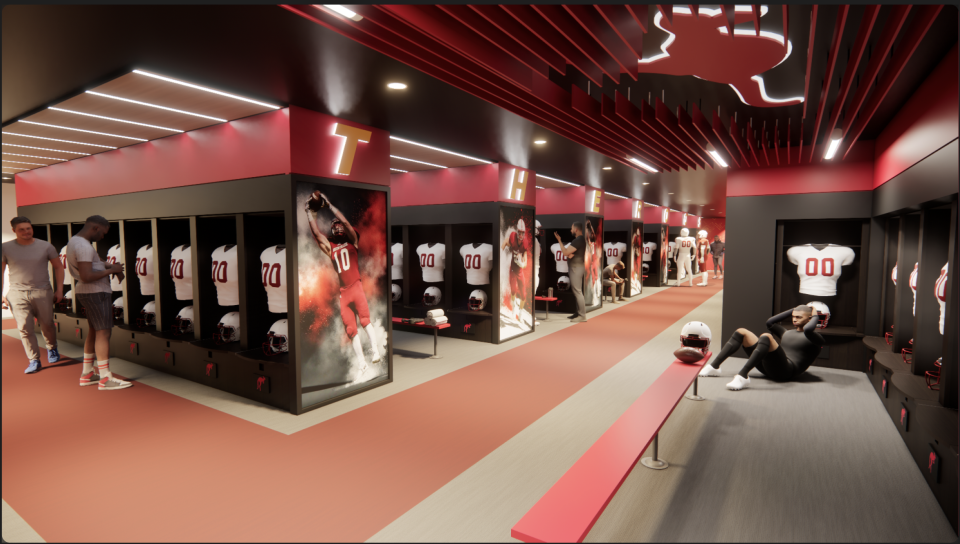
The evolution of locker rooms is a good example. Say goodbye to shared spaces with basic, monochromatic metal lockers. Instead, we’re designing locker rooms to be environments where athletes prepare for games, but also come together as a team, study, decompress, train, and do rehab. The goal is to design spaces so engaging that athletes want to spend more time in the facility itself, making it a home away from home.
Beyond that, we understand that facilities are both drivers of revenue and critical to the fan experience. The path from entry to the action tells the story of your program. Giving your fans a direct line of sight to the field is a basic expectation. But it requires detailed analysis and understanding to achieve. At one point, premium seating and good views were thought of as secondary. But now it’s a key point of revenue for facilities and athletic programs.
I’m always thinking about sports. Good sports design makes your fields and facilities work for you in all sorts of ways. MMTH Sports Design knows how to make them work for athletes, fans, and the institutions themselves.